
The science of what you eat, and when it matters most.
Eat a gel, drink a carb mix, or reach for a rice cake? The format of your fuel isn't just a matter of taste, it affects absorption rate, gut load, palatability under stress, and ultimately your power output in the final hour when it matters most.
Liquid Carbs: The Case for Drinking Your Fuel
Sports drinks, carb mixes, gels + water, maltodextrin blends, liquid carbohydrates are the dominant choice of the peloton for good reason. They offer the fastest gastric emptying, absorbing in under 15 minutes at low concentrations, and deliver hydration and fueling simultaneously. Dosing is precise and easy to track per hour, and they're ideal at high intensities when gut blood flow is reduced. There's no chewing, no cognitive distraction on technical terrain. And modern dual-carb blends combining glucose and fructose can push delivery rates to an extraordinary 90–120 g of carbohydrate per hour.
Solid Fuel: The Case for Eating Real Food
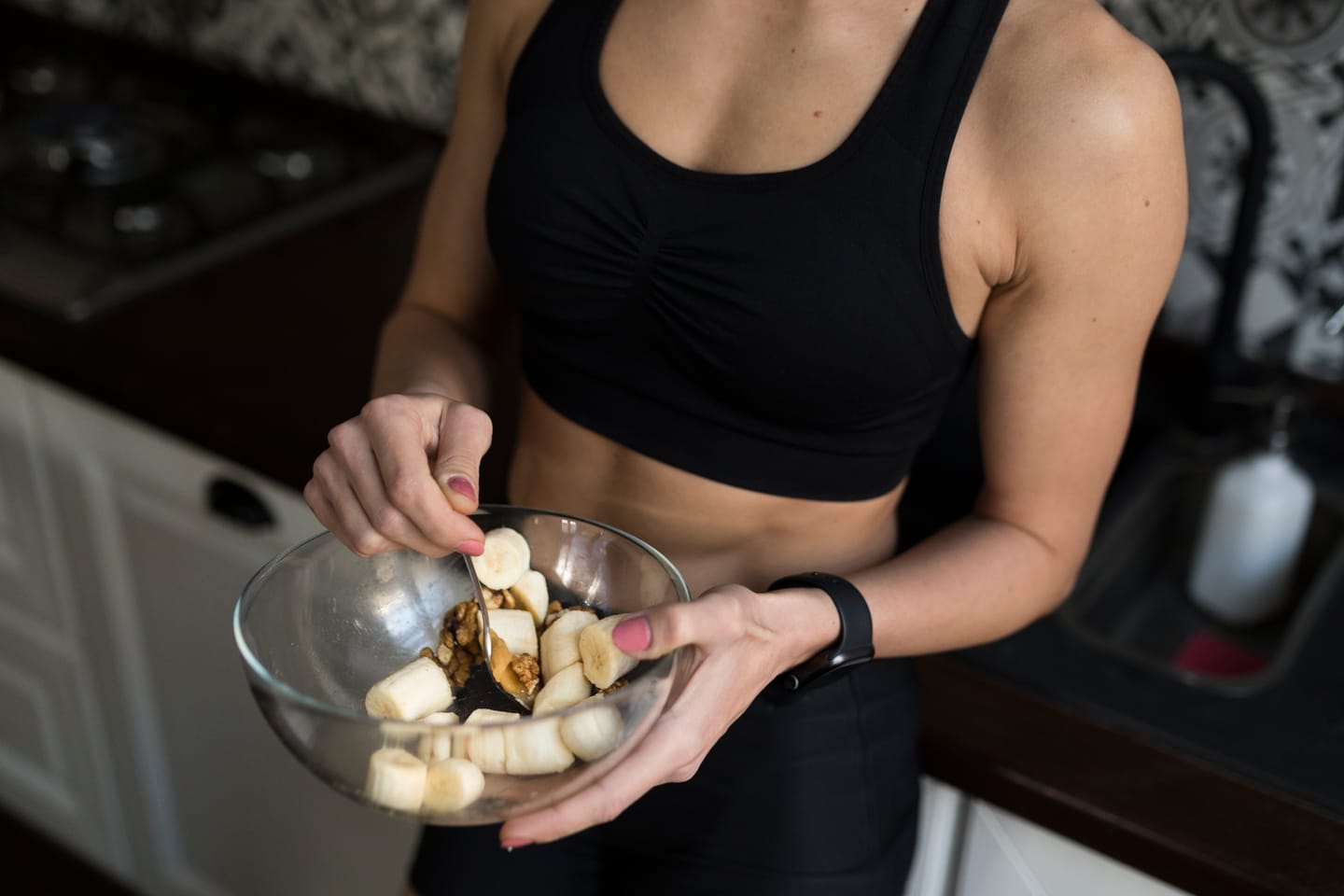
Bars, rice cakes, bananas, flapjacks, energy chews, solid food has a different kind of power. The slower digestion keeps blood glucose stable for longer, avoiding the spikes and crashes that can come with pure liquid fueling. More importantly, it's satisfying. Real food suppresses hunger on 4+ hour rides in a way that gels simply cannot, and it carries a psychological comfort that matters enormously when you've been in the saddle for six hours. Solid foods often contain fat and protein suited to ultra-endurance pacing, tend to have lower osmolality causing less gut irritation in sensitive athletes, and riders simply eat more consistently with foods they enjoy.
Performance Metrics: Liquid vs Solid
The Physiology: Why Format Actually Matters
Your gut is not a passive pipe. At race intensity, blood is shunted away from splanchnic circulation to working muscles, which means the digestive system gets significantly less blood flow to do its job. This is why many cyclists experience cramping, bloating, or nausea when they try to eat solid food while pushing hard.
Liquid carbohydrates, particularly well-formulated sports drinks at isotonic concentration (approximately 6–8% carbohydrate), sidestep much of this problem. They require minimal mechanical digestion, begin absorbing in the small intestine within minutes, and clear the stomach rapidly. When you're at 85–90% of VO₂ max on a punchy climb, liquid is almost always the smarter choice.
Solid foods require chewing and sustained digestive activity, both of which become increasingly difficult as intensity rises. At Zone 2 pace, however, the picture changes entirely. Blood flow to the gut is adequate, digestion is efficient, and the body can handle real food without issue, and will benefit from the slower, more sustained glucose release that comes from whole-food carbohydrates.
Perhaps the most critical innovation in recent cycling nutrition is the dual-transporter model. Glucose is absorbed via the SGLT1 transporter, which saturates at around 60 g/hr. By combining glucose with fructose, which uses a separate GLUT5 transporter, athletes can absorb up to 90–120 g of carbohydrate per hour. This is only truly achievable with liquid or gel-based formulations; getting that volume of fructose from solid food without GI distress is nearly impossible at race pace.
The argument for solid food is strongest in ultra-endurance contexts. When a rider is six hours into a sportive or a gravel race lasting eight hours, the psychological value of real food, the texture, the satisfaction, the act of eating something substantial, cannot be underestimated. Flavor fatigue from sweet liquids and gels is a genuine performance limiter, causing athletes to under-fuel simply because they can't stomach another gel.
"The gut is a trainable organ, and the best pro cyclists treat it like one. Training your stomach to handle high carb loads is as important as training your legs."
Fuel Timing Guide
0–60 minutes: Glycogen stores are adequate. Fueling is largely optional for rides under an hour, but a small carb intake can prevent early drops. An isotonic drink is sufficient.
1–3 hours: The core fueling window. Mix liquid and solid based on intensity. High-intensity segments call for liquid; endurance-paced segments are ideal for solid food. Aim for 60–90 g of carbohydrate per hour.
3+ hours: Flavor fatigue sets in. Prioritize real food variety early and save your highest-octane liquid carbs for the final push, when solid food becomes harder to process and you need fast, reliable fuel to finish strong.
The Verdict: Use Both. Time Them Wisely.
The liquid vs solid debate has no universal winner, it has a context-dependent answer.
For high-intensity efforts, races, and the final stages of any hard ride, liquid carbohydrates and gels offer superior absorption and gut compatibility. For long endurance rides, training days, and early-ride fueling, solid food offers satiety, real-food comfort, and sustained energy that liquids can't match.
The elite cyclist's toolkit is not one or the other, it's a planned blend that shifts based on effort, duration, and gut tolerance. Start rides with solids, transition to mixed fueling in the middle hours, and lean on liquid and gel-based carbs when intensity spikes or the finish is approaching. Train your gut during training rides, not on race day.
And remember: the best fuel strategy is the one you'll actually execute when you're suffering at 300 watts and your hands are shaking.