Walk into any bike shop and ask about cleats, and you'll get one of two answers: a blank stare or a five-minute lecture about float. Neither is particularly useful if you're a competitive age-grouper trying to make an evidence-based decision about a component that directly affects your power transfer, knee health, and injury risk. This guide cuts through the noise and gives you a system-level framework for choosing the right cleat, by color, by system, and by use case.
Why Cleat Color Actually Matters
Cleat color is not a cosmetic choice. Across every major road and triathlon cleat system, Shimano SPD-SL, Look Keo, and Speedplay, color is the manufacturer's shorthand for the amount of float built into the cleat. Float refers to the degree of rotational movement your foot is allowed before it engages the release mechanism. It's measured in degrees and has direct implications for knee tracking, hip mechanics, and ultimately, watt output.
The debate around float is often framed as a binary, more float for injured athletes, less float for power. That framing is too simple. The right float for a given athlete depends on their biomechanics, injury history, saddle height, Q-factor, and the demands of their event. Understanding what each color delivers is a prerequisite to that individualized decision.
Shimano SPD-SL: Yellow, Blue, and Red
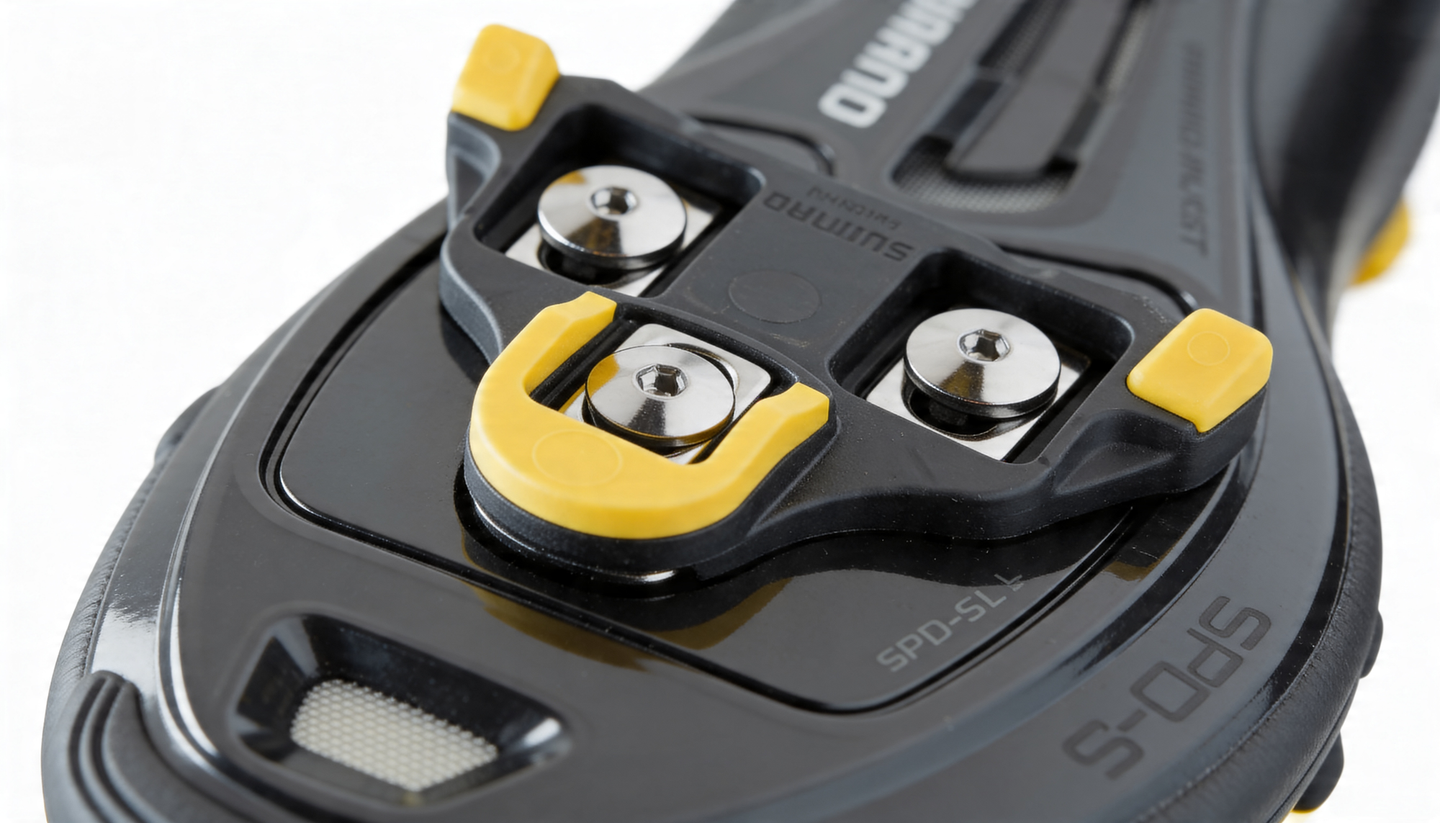
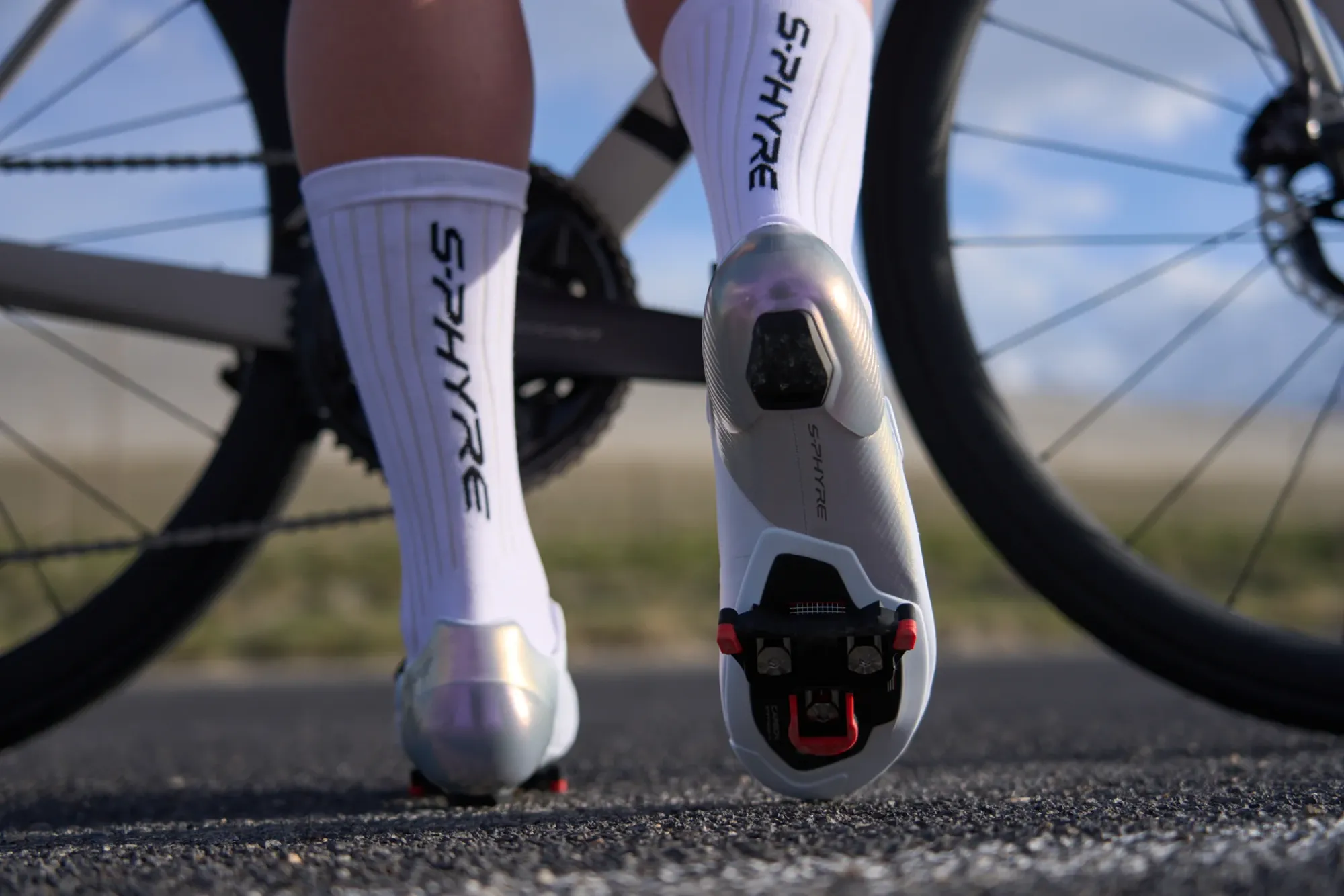
Shimano's road cleat system, SPD-SL, uses a three-color coding scheme that most competitive cyclists have encountered at some point. Each color corresponds to a specific float allowance.
Yellow cleats offer six degrees of float and are Shimano's default choice, the cleat included with most SPD-SL pedals out of the box. Six degrees is a relatively generous movement window, and for most cyclists, particularly those new to clipless pedals or with a history of knee issues, yellow is the correct starting point. The float allows the foot to self-find its natural alignment during the pedal stroke, reducing the risk of patellofemoral stress caused by forced tracking. Physiotherapy literature on overuse cycling injuries consistently recommends maximizing float during rehabilitation and return-to-training phases.
Blue cleats offer two degrees of float. This is a narrow window, enough to allow minor tracking adjustment, but not enough to provide meaningful protection for a rider with poor biomechanics or a misaligned cleat setup. Blues are appropriate for experienced cyclists who have already established their optimal foot position and want a more direct, engaged feel during sprints and high-power efforts without committing to zero float entirely.
Red cleats have zero float. The foot is locked in a fixed position the moment it clips in. This maximizes mechanical efficiency, every watt your leg produces translates directly into the drivetrain without energy dissipated in rotational movement. The tradeoff is unambiguous: if your cleat position is even slightly off, the rigidity of a red cleat will amplify that misalignment across thousands of pedal revolutions. Knee pain, IT band syndrome, and patellar tendinopathy are the predictable consequences of riding zero-float cleats without a proper bike fit.
Look Keo: Grey, Red, and Black
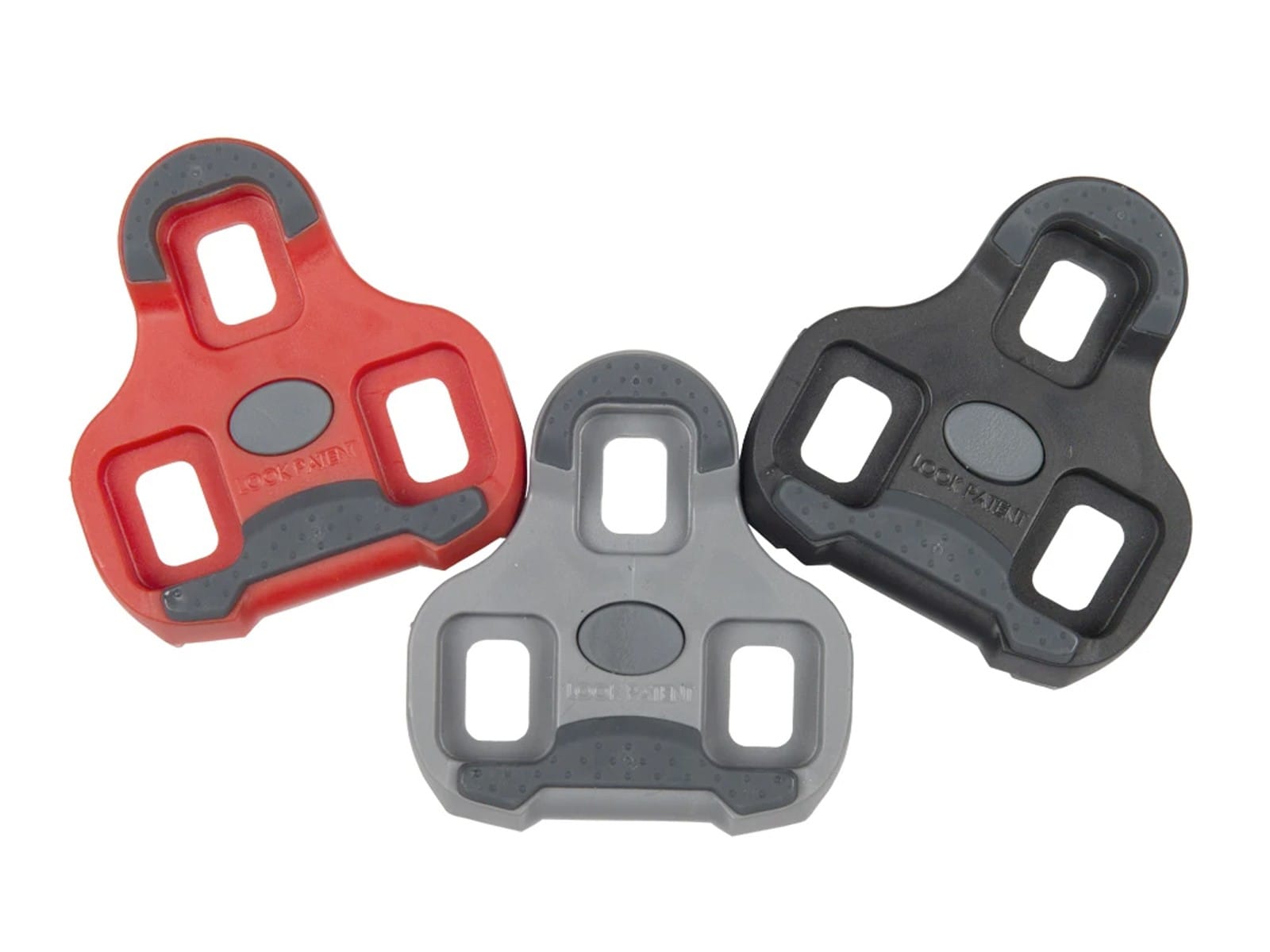
Look's Keo system operates on the same principle but with different float values attached to each color. Grey cleats are the most forgiving, offering nine degrees of float. Red cleats sit in the middle at 4.5 degrees. Black cleats are zero float, Look's equivalent of Shimano red.
The key distinction for athletes comparing Look and Shimano is that Look's entry-level cleat (grey) offers significantly more float than Shimano's (yellow at six degrees). For riders with a history of knee pathology or those coming from a running background where natural foot strike variability is higher, Look grey can be an easier transition into clipless pedaling. The nine-degree window is wide enough that most foot strike patterns will self-correct without requiring a precision fit.
Look red, the 4.5-degree option, is the system's most pragmatic choice for the majority of competitive riders. It provides measurable float for joint protection while offering considerably more engagement than the nine-degree grey. A well-fitted rider on Look reds gets close to the mechanical efficiency of a locked cleat without the injury exposure.
Look black, like Shimano red, is the performance maximum. The foot goes nowhere once engaged. This is the cleat you'll find on most professional road cyclists racing at the UCI WorldTour level, where optimized power output and a perfectly dialed fit are both prerequisites of the job.
Speedplay: A Different Architecture
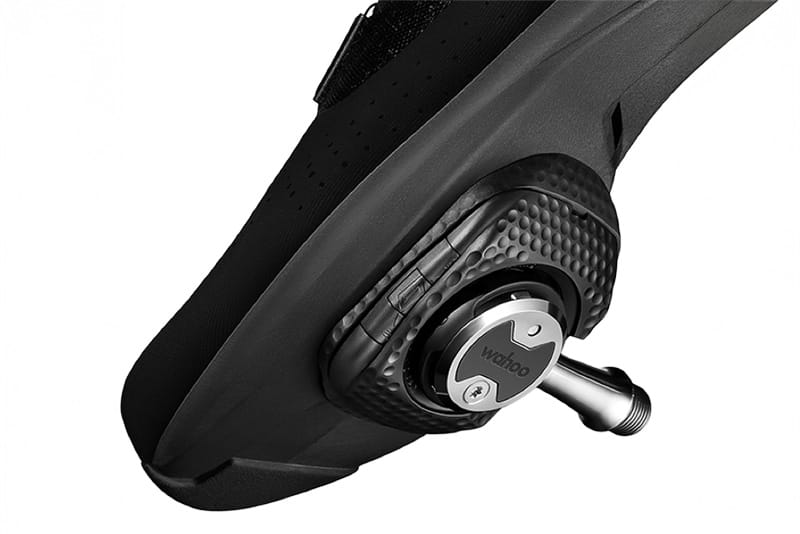
Speedplay (now owned by Wahoo) operates differently from Look and Shimano. The float is not determined by the cleat color but by the cleat's adjustment mechanism, a small screw on the cleat body that allows athletes to dial in float anywhere from zero to fifteen degrees on the standard model. The Zero Speedplay variant is fixed at zero float.
This adjustability makes Speedplay a popular choice among athletes working with physiotherapists or fitters who want precise, incremental control over float without swapping cleats entirely. It also makes them the preferred system for riders with significant leg length discrepancies or complex biomechanical asymmetries that require asymmetric float configurations.
For triathletes specifically, Speedplay cleats have an additional advantage: their four-bolt mounting system allows them to be walked on briefly without damaging the cleat, which matters in transition. The caveat is that Speedplay pedals require more diligent maintenance, the mechanism is more complex, and contamination with mud or grit can cause premature wear.
SPD (Mountain / Commuting): The Two-Sided System
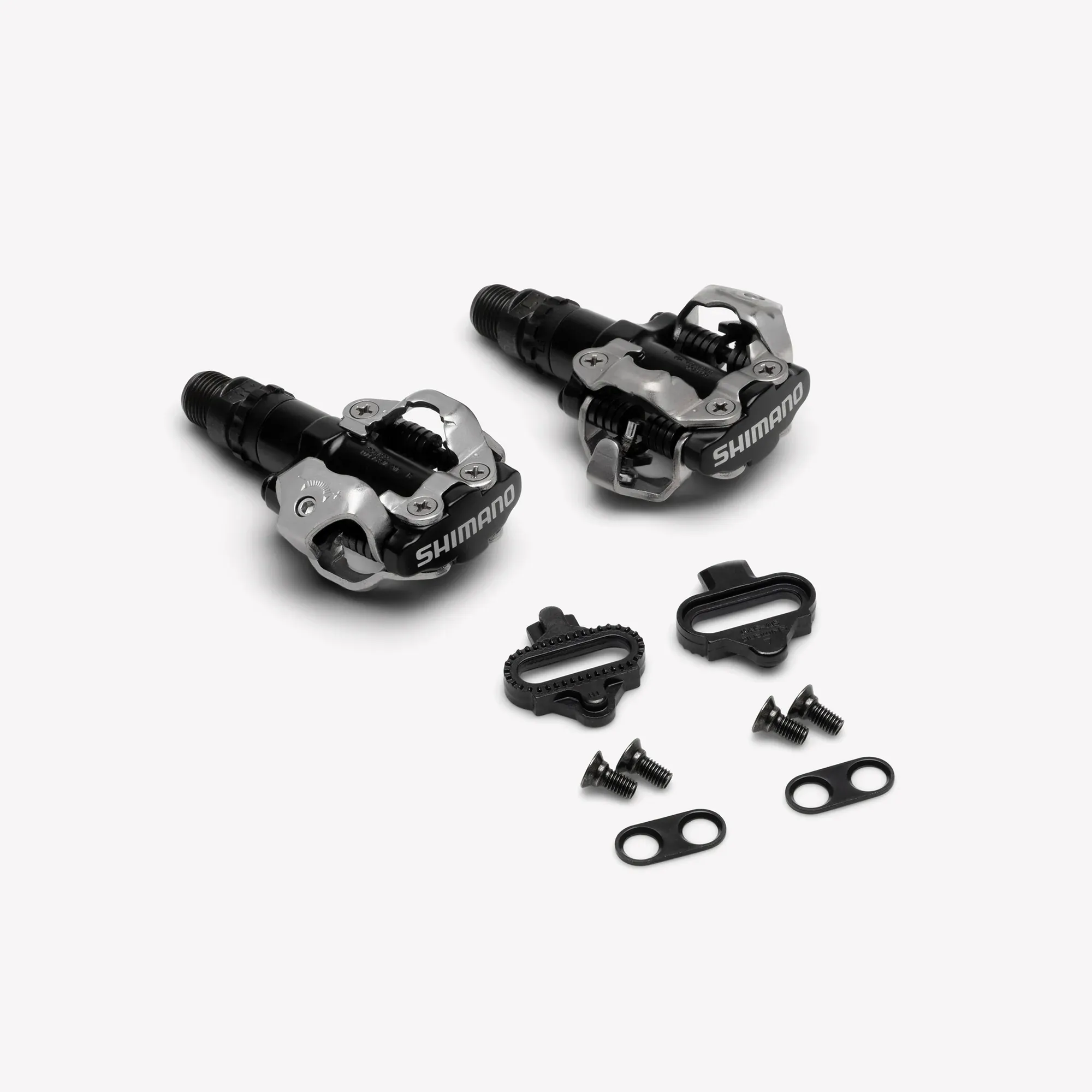
Shimano SPD, not to be confused with SPD-SL, uses a two-sided engagement mechanism and a smaller cleat body recessed into the shoe. These are the cleats you'll see on mountain bikes, gravel bikes, and commuter setups. SPD cleats come in two variants: SH51 (single-release) and SH56 (multi-release).
The single-release SH51 is the standard option, it disengages with a lateral heel twist, as with any road cleat. The multi-release SH56 can be disengaged in multiple directions, including upward, which is specifically designed for beginners or riders in technical terrain who may need to dab a foot quickly without the muscle memory for a clean lateral twist. Some cyclocross athletes use SH56 cleats precisely for this reason, the ability to disengage rapidly and in awkward positions is a tactical advantage in a discipline defined by terrain chaos.
Float on SPD cleats is fixed at approximately five degrees regardless of variant. The real performance limitation of SPD in a road or triathlon context is the reduced contact surface area, the smaller cleat means load is distributed across a smaller region of the shoe sole, which can cause hotspots on long rides and limits raw power transfer efficiency compared to a three-bolt road cleat system.
What the Pros Use
Professional cyclists operate in an environment of comprehensive bike fitting, individualized biomechanical assessment, and physiotherapy support. Their cleat choices reflect that infrastructure.
Among WorldTour road professionals, zero-float cleats are the dominant choice. Look black cleats are used extensively within teams sponsored by Look, Visma-Lease a Bike and Lidl-Trek riders have historically raced on the system. Shimano-sponsored teams use Shimano SPD-SL red. The rationale is consistent: at this level, the fit is assumed to be perfect, so locking the foot in place is a pure efficiency gain.
The more instructive data point is that many professional cyclists use slightly more float than their team sponsors might suggest publicly. Physiotherapy staff on major WorldTour teams have spoken openly about using Look red (4.5 degrees) rather than black during stage races to manage cumulative load on the knees across three weeks of racing. The efficiency delta between 4.5 degrees and zero float is marginal at race pace; the injury risk delta over 21 days of racing is not.
In triathlon, the dominant setup among professional athletes is either Look Keo or Shimano SPD-SL, almost universally in the mid-float range. Speedplay is also represented at the elite level, particularly among athletes with longer professional careers who have needed to manage chronic knee issues. The demands of triathlon, where cycling follows swimming and precedes running, amplify the consequences of knee overuse injuries in a way that makes a pragmatic approach to float more common than in pure cycling.
Matching Cleat to Use Case
For athletes building base fitness and logging high-volume Zone 2 work, maximizing float is the correct approach. Yellow (Shimano) or grey (Look) cleats reduce cumulative joint stress across long training blocks. The efficiency argument for zero float is irrelevant at Zone 2 intensity, you are not leaving meaningful watts on the table by using a six-degree or nine-degree cleat at 180–220 watts.
As training moves into higher-intensity work, threshold intervals, VO2 max efforts, race-specific sessions, the case for tighter float becomes stronger. At 300–400 watts, the biomechanical demand increases substantially, and a more fixed foot position can contribute to a cleaner, more repeatable pedal stroke. Mid-float options (Shimano blue, Look red) strike a balance that most competitive age-groupers will find appropriate across their training intensity spectrum.
Zero-float cleats (Shimano red, Look black) are appropriate for time trial and triathlon race day scenarios where every watt counts, the effort is well under three hours, and the athlete has an established, fit-validated position. They are not appropriate for everyday training unless the athlete has been professionally fitted, has no history of lower limb overuse injuries, and has progressively adapted to zero float over multiple training cycles.
Getting the Fit Right Before Choosing the Cleat
The most important variable in the cleat color equation is not which cleat you buy, it's where you position it. Fore-aft position, lateral alignment, and rotational angle all affect how float functions in practice. A yellow cleat mounted poorly will cause more knee stress than a red cleat mounted correctly. Cleat selection without a professional bike fit is a gamble, particularly at the zero-float end of the spectrum.
If you are setting up cleats without access to a fitter, the general principle is to position the cleat so that the ball of the foot sits directly over the pedal axle and choose the most float available until you have a reason to reduce it. From that conservative baseline, you can progressively reduce float in response to performance goals and under the guidance of someone who can assess your pedal stroke.
The color on the bottom of your shoe is a starting point for a conversation about biomechanics, not a performance variable to optimize in isolation.