
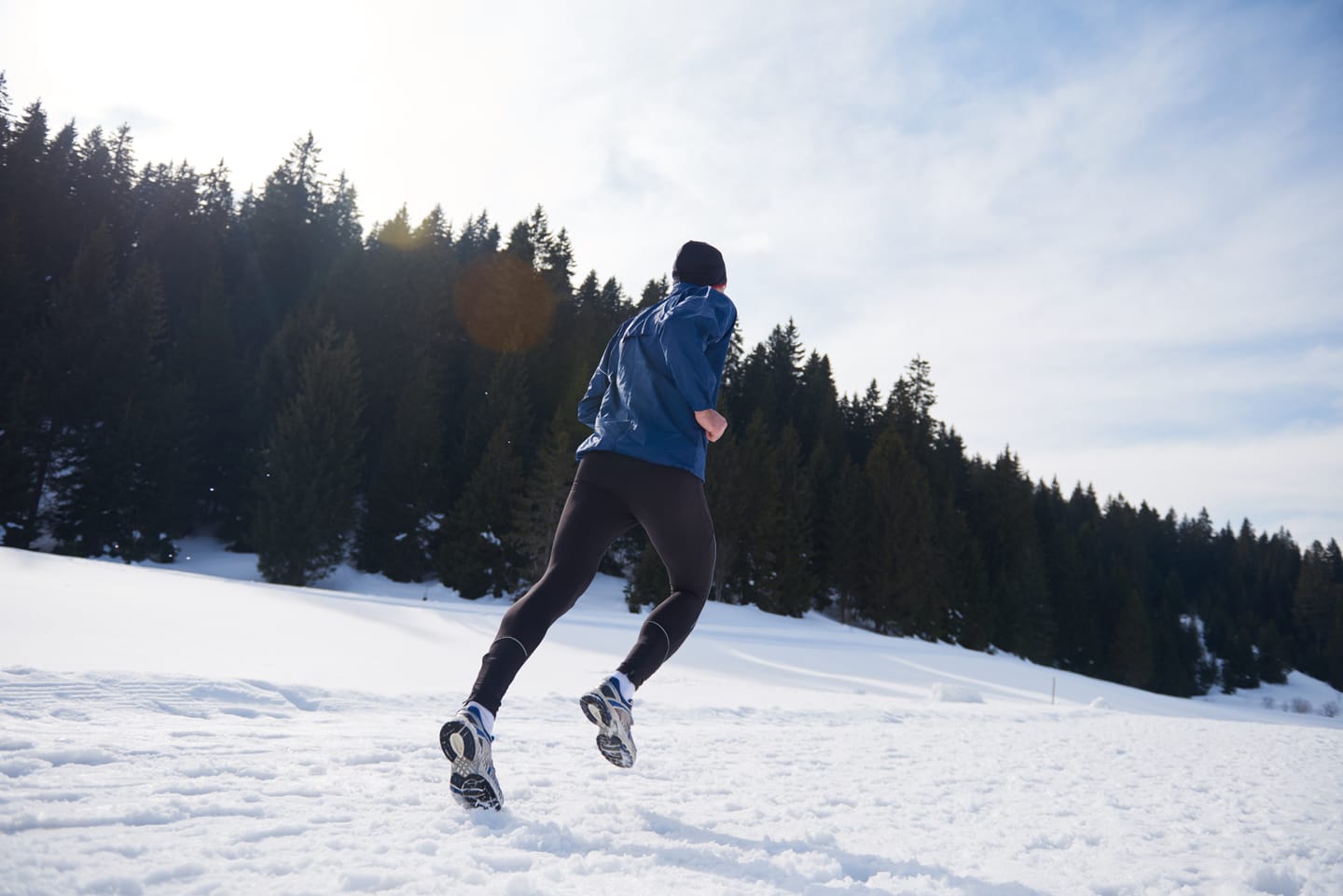
Winter is rarely where motivation thrives. The days are shorter, the weather is less forgiving, and the absence of races removes the external pressure that usually keeps training structured. For many athletes, this period feels like limbo: not resting, not racing, just trying not to lose momentum.
But winter isn’t meant to feel exciting. It’s meant to be quietly effective. The athletes who come out stronger in spring are rarely the ones who trained the hardest in winter, they’re the ones who trained consistently, intentionally, and without unnecessary friction.
Here’s how to approach winter training in a way that keeps you moving forward, without relying on motivation that naturally fades this time of year.
1. Redefine What Progress Means in Winter
Winter training fails when it is judged by summer standards. You are not chasing peak fitness or race simulations. Progress now looks like steady attendance, controlled effort, and improved movement quality.
Once you accept that winter is about maintenance and refinement, training immediately feels lighter.
2. Work in Short Training Cycles
Long plans feel heavy in winter. Short cycles of one to two weeks provide structure without pressure. They allow flexibility, reduce guilt around missed sessions, and make it easier to re-engage quickly.
Momentum matters more than perfect execution.
3. Reduce Volume Before Reducing Frequency
When energy drops, many athletes train less often instead of training less overall. Frequency builds rhythm. Volume drains it.
Short, regular sessions keep the habit intact and protect long term consistency.
4. Separate Training From Mood
Motivation is unreliable in winter. Waiting to feel ready usually means waiting too long.
Training does not require emotional readiness. Action often creates the feeling, not the other way around.
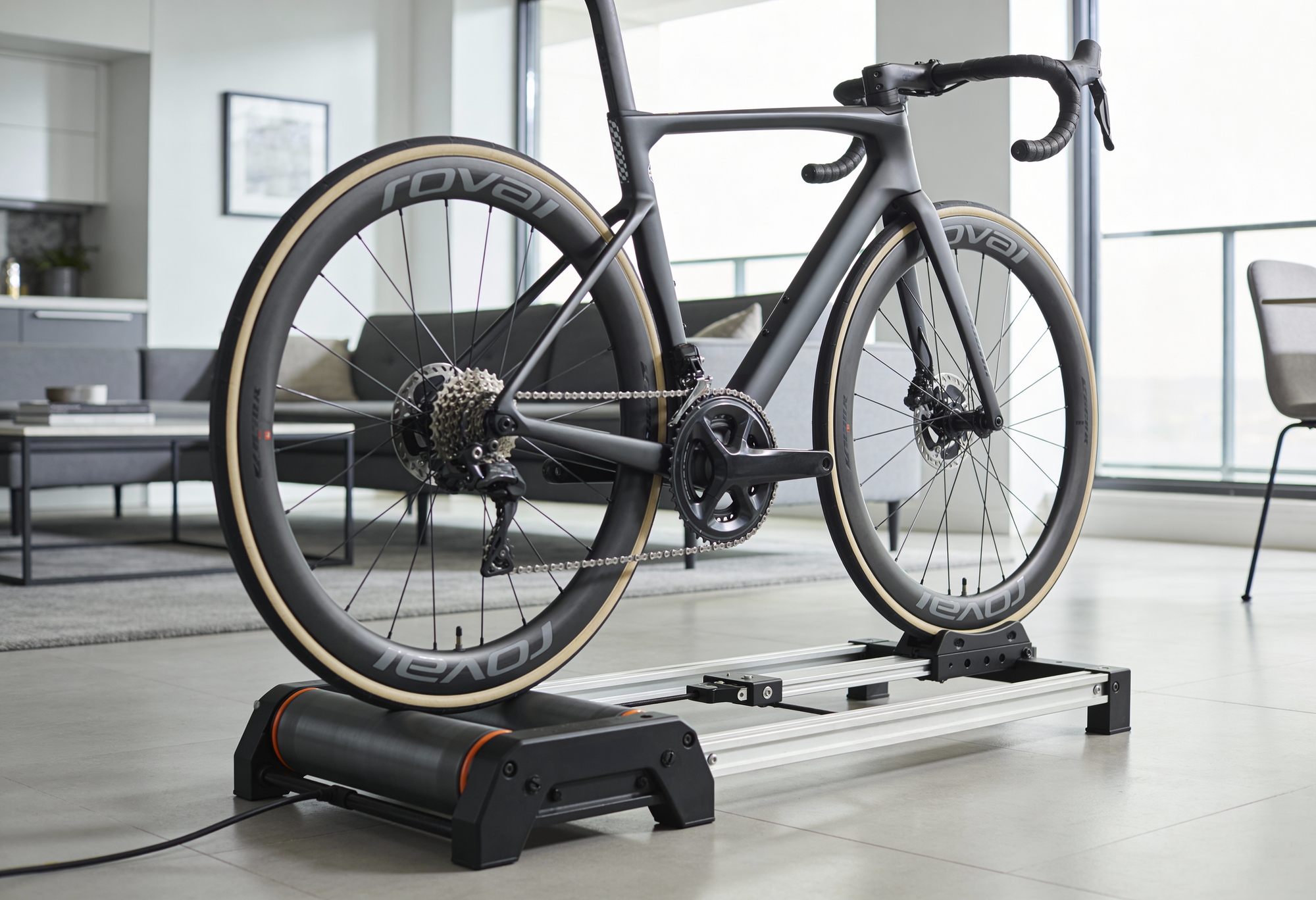
5. Use Indoor Training as a Tool
Indoor sessions are not a compromise. They remove variables and allow precision. Winter is the best time to work on pacing control, cadence, and technical discipline without distraction.
This is where efficiency is built.
6. Keep One Session You Genuinely Enjoy
Removing all enjoyment from training is a fast track to burnout. One relaxed or social session each week keeps training human and sustainable.
Enjoyment is not a weakness. It is a stabilizer.
7. Focus on Technique and Mechanics
With lower intensity and volume, the body is more receptive to technical change. Winter is the right time to improve running form, pedaling efficiency, and swim mechanics.
Small corrections now can lead to large gains later.
8. Train Earlier in the Day When Possible
Winter evenings invite delay. Morning training removes choice and reduces decision fatigue.
Completing the session early often improves consistency and frees mental space for the rest of the day.
9. Measure Consistency Instead of Fitness
Winter metrics should reflect behavior rather than output. Track sessions completed, weekly frequency, and recovery spacing.
Fitness will return. Consistency is what allows it to return quickly.
10. Lower the Barrier to Starting
Getting started is the hardest part. Make the entry point intentionally easy. Commit to ten minutes, not the full session.
Once movement begins, resistance usually fades.
11. Address Lingering Weaknesses
Minor aches, mobility restrictions, and stability issues are easier to fix now than during race season. Winter is the only phase where addressing them does not feel like lost time.
Ignoring them only delays the cost.
12. Create a Predictable Weekly Structure
When days feel repetitive, structure creates clarity. Training on the same days and at similar times reduces cognitive load and turns training into routine rather than negotiation.
Routine beats motivation.
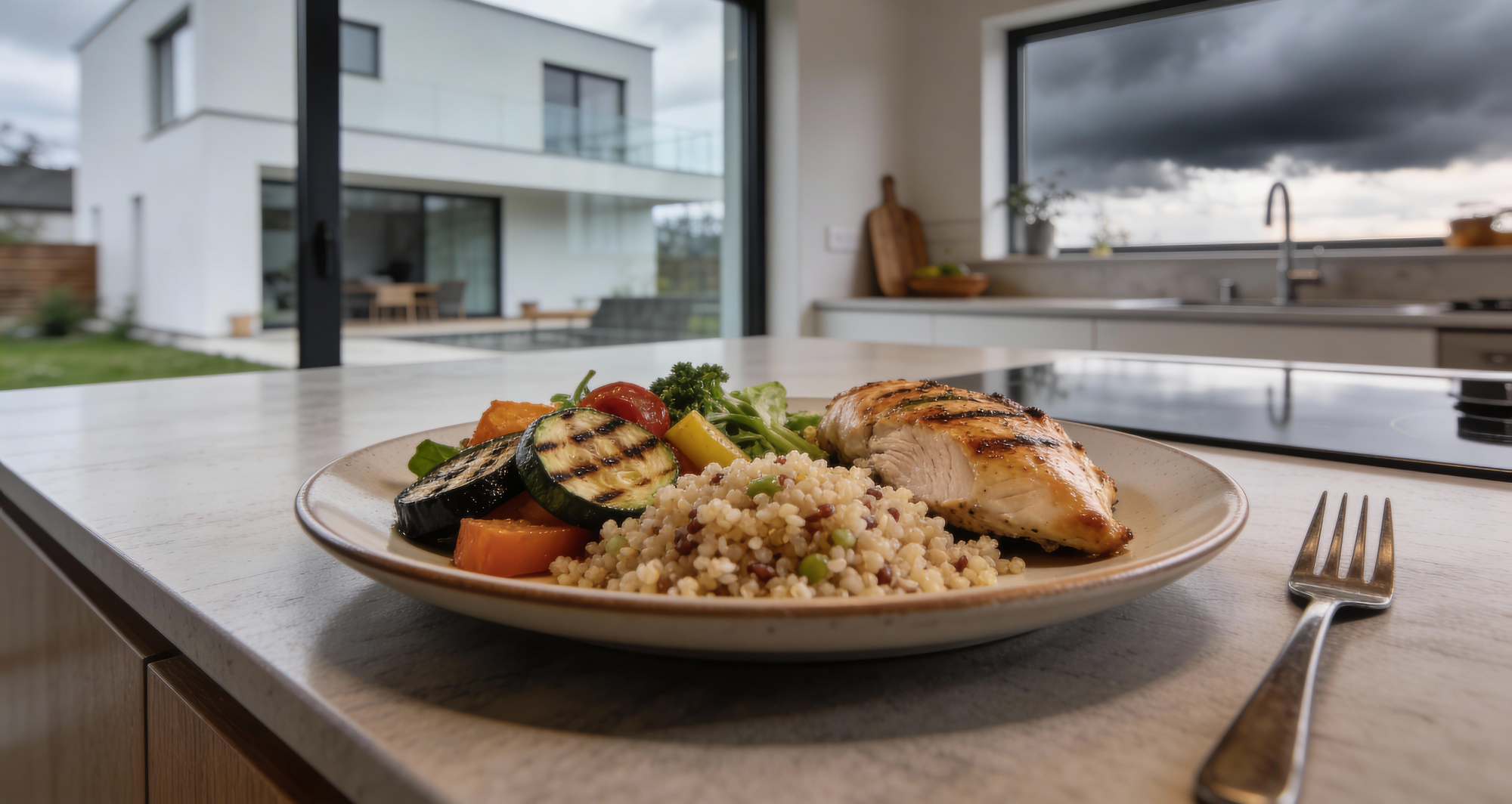
13. Fuel as if Training Still Matters
Lower volume does not mean lower importance. Under fueling reduces energy, mood, and immune resilience, all of which directly affect motivation.
Even efficient sessions require proper support.
14. Avoid Seasonal Comparisons
Comparing winter training to someone else’s peak season output is misleading. Context matters. Weather, goals, and timelines differ.
Winter progress is internal and often invisible.
15. Respect the Value of Invisible Work
Winter training rarely feels rewarding in the moment. There is no urgency or external validation.
But this phase builds durability, resilience, and early season readiness. The payoff appears later, quietly and decisively.
Closing Thought
Winter training is not about forcing motivation. It is about reducing resistance.
Make training easier to start, simpler to manage, and lighter on the ego. Stay consistent now and let spring do the revealing.